Plumbing systems are one of the most essential parts of any home or commercial property. When everything is working properly, they often go unnoticed. However, the moment something goes wrong, especially during an emergency, it can quickly turn into a serious and costly problem. From burst pipes to overflowing toilets, Emergency Plumbing Problems can cause water damage, disrupt daily life, and even pose health risks if not handled immediately.
In cities like Manchester, where weather conditions can be unpredictable and many properties have aging plumbing systems, emergency plumbing problems are quite common. Understanding these issues, their warning signs, and the correct actions to take can help you minimize damage and avoid expensive repairs.
This guide explains the most common emergency plumbing problems, how to identify them, and when you should immediately call a professional emergency plumber.
What Is Considered a Plumbing Emergency?
A plumbing emergency is any situation that requires immediate attention to prevent serious damage to your property, health, or safety. Unlike minor plumbing issues, emergencies cannot wait and usually worsen quickly if ignored.
A situation is typically considered an emergency if it involves:
- Uncontrolled water leakage
- Risk of flooding or structural damage
- No access to clean water
- Sewer backups or foul odors
- Gas-related plumbing issues
- Heating system failure in cold weather
In such cases, delaying repairs can significantly increase repair costs and damage to your home.
10 Common Emergency Plumbing Problems Homeowners Face
Below are the most frequent plumbing emergencies that homeowners in Manchester experience.
1. Burst Pipes
Burst pipes are one of the most serious plumbing emergencies. They can release large amounts of water within minutes, leading to flooding and structural damage.
Common causes:
- Frozen pipes during winter
- High water pressure
- Corrosion in old pipes
- Physical damage or wear and tear
Warning signs:
- Sudden drop in water pressure
- Water stains on walls or ceilings
- Strange noises in pipes
- Visible leaks or flooding
What to do:
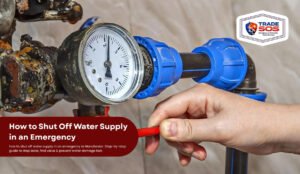
Immediately turn off the main water supply and call an emergency plumber. Do not attempt to repair a burst pipe yourself.
2. Severe Water Leaks
Even small leaks can turn into emergencies if ignored. Severe leaks can damage flooring, walls, and electrical systems.
Common sources:
- Hidden pipe cracks
- Loose fittings
- Faulty joints
- Bathroom or kitchen plumbing failures
Signs include:
- Damp patches on walls or ceilings
- Mold growth
- Unexplained increase in water bills
- Dripping sounds behind walls
Quick action is essential to prevent long-term damage.
3. Overflowing Toilets
An overflowing toilet is not only unpleasant but also a hygiene risk. It can indicate a serious blockage in the drainage system.
Causes:
- Blocked pipes
- Sewer line issues
- Flushing inappropriate items
- Faulty float mechanism
Immediate action:
Stop using the toilet, shut off the water valve, and call a professional plumber.
4. Blocked Drains
Blocked drains are common in kitchens, bathrooms, and outdoor drainage systems.
Causes:
- Grease and fat buildup
- Hair and soap residue
- Foreign objects
- Tree root intrusion in outdoor drains
Symptoms:
- Slow drainage
- Bad smells
- Gurgling sounds
- Water backing up
If multiple drains are blocked at the same time, it usually indicates a major system issue.
5. No Hot Water
Lack of hot water is especially problematic during colder months in Manchester.
Possible reasons:
- Boiler failure
- Thermostat issues
- Heating element malfunction
- Pressure problems
This issue often requires urgent attention, especially in households with children or elderly residents.
6. Boiler Breakdowns
A broken boiler can affect both heating and hot water supply, making it a serious emergency in winter.
Warning signs:
- No heating or hot water
- Strange noises from boiler
- Error codes on display
- Frequent shutdowns
Boiler issues should always be handled by a certified heating engineer.
7. Frozen Pipes
During cold weather, pipes can freeze and block water flow. If not treated quickly, frozen pipes can burst.
Signs:
- No water coming from taps
- Frost on exposed pipes
- Strange smells from taps
Important: Never use open flames to thaw pipes. It can cause damage or fire hazards.
8. Low Water Pressure
Sudden low water pressure can indicate a hidden leak or blockage.
Causes:
- Pipe leaks
- Valve issues
- Blocked pipes
- Water supply problems
If pressure drops suddenly across the entire property, it is usually an emergency.
9. Gas Leak Concerns
Although not purely plumbing, gas systems are often connected to boilers and heating systems.
Warning signs:
- Smell of gas
- Hissing sounds near pipes
- Dizziness or nausea indoors
If you suspect a gas leak, leave the property immediately and contact emergency services.
10. Water Tank Overflow
Overflowing water tanks can waste water and damage ceilings or loft areas.
Causes:
- Faulty float valve
- Pressure imbalance
- System malfunction
This issue should be fixed quickly to avoid structural damage.
Warning Signs Your Plumbing Issue Needs Immediate Attention
Not every plumbing issue is obvious. Some warning signs indicate that a bigger problem is developing:
- Sudden water pressure changes
- Damp patches on walls or ceilings
- Unusual noises in pipes
- Persistent bad smells
- Rising water bills without explanation
- Water pooling in unusual areas
If you notice any of these signs, it is best not to delay inspection.
What to Do Before an Emergency Plumber Arrives
Taking the right steps before professional help arrives can reduce damage:
- Turn off the main water supply
- Switch off the boiler if necessary
- Move furniture and valuables away from water
- Contain leaks using buckets or towels
- Avoid using affected plumbing fixtures
- Do not attempt complex DIY repairs
Quick action can significantly reduce repair costs.
How Much Does Emergency Plumbing Cost in Manchester?
Emergency plumbing costs can vary depending on several factors:
- Time of call (night or weekend rates)
- Severity of the issue
- Parts required
- Travel distance
- Type of repair needed
While minor issues may be relatively affordable, major emergencies like burst pipes or boiler breakdowns can be more expensive due to urgency and complexity.
How to Prevent Emergency Plumbing Problems
Prevention is always better than repair. Here are some useful tips:
- Regularly inspect pipes and joints
- Avoid pouring grease down drains
- Service boilers annually
- Insulate pipes during winter
- Do not flush non-degradable items
- Fix small leaks immediately
- Schedule professional maintenance checks
Good maintenance can reduce the risk of emergencies significantly.
Why Choose Professional Emergency Plumbing Services?
Hiring a qualified emergency plumber ensures:
- Fast response time
- Proper diagnosis of the issue
- Safe and long-lasting repairs
- Compliance with safety standards
- Reduced risk of future problems
Professional plumbers also have the right tools and experience to handle complex situations efficiently.
Conclusion
Emergency plumbing problems can happen at any time and often without warning. From burst pipes to boiler failures, these issues can quickly escalate if not addressed properly. Understanding the most common problems and knowing what steps to take can help protect your property and reduce repair costs.
If you are in Manchester and face any of these issues, it is always best to contact a qualified emergency plumber immediately rather than attempting risky DIY fixes. Quick action can save your home from serious damage and restore your plumbing system efficiently.